
John Wong
Research Analyst at the Urban-Brookings Tax Policy Center
Research Analyst at the Urban-Brookings Tax Policy Center
To analyze rapidly-changing and complex tariff policies, I built a program that estimates a tariff rate for each product from each origin, for each policy, each day—resulting in 10 billion tariff rates per simulation. This is supported by a YAML-based rule-encoding system that requires no code for adding new policies.
More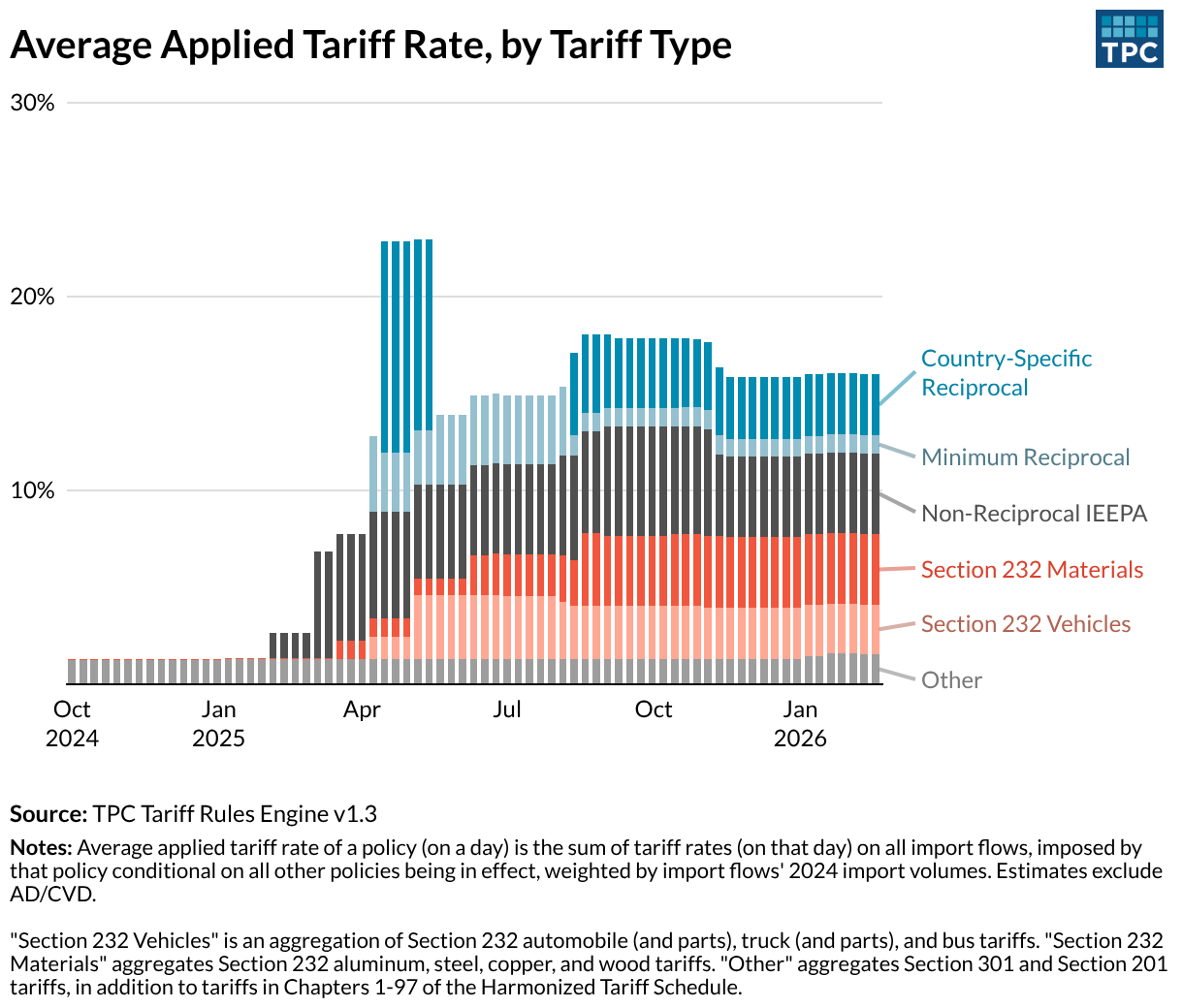
An R package that generates TPC's distribution and revenue tables—Excel workbooks, styled HTML tables, and Datawrapper charts—directly from model output. It runs 10x faster than the tooling it replaced and can publish an interactive Datawrapper version of any table automatically.
WITH: Nikhita Airi
Tariffs on final goods are determined by tariffs on their intermediate inputs. We use input-output tables to map how goods feed into one another, and estimate final burden and price changes.
More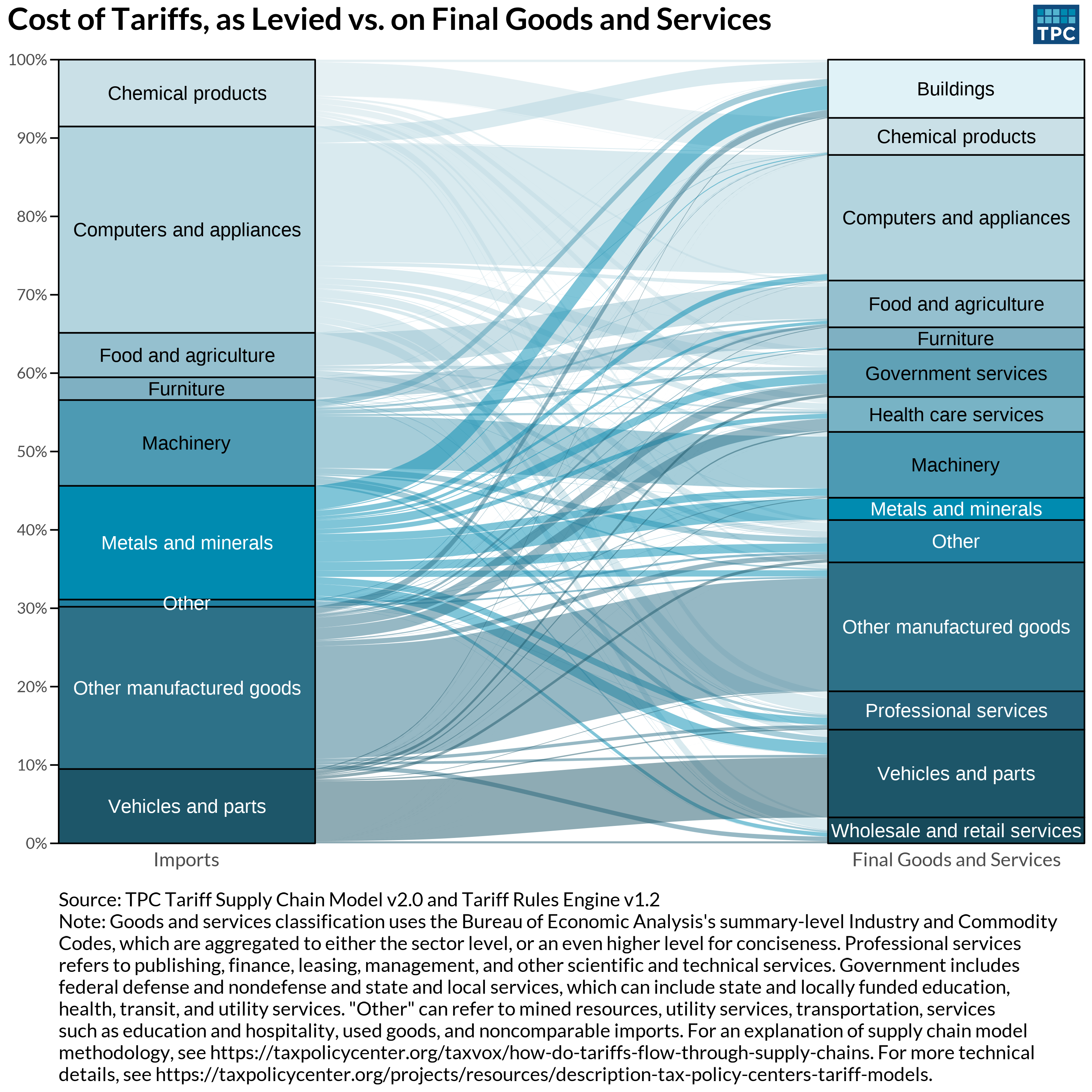
We built a R model that can generally accommodate rapidly changing tariff policy and produce revenue estimates.
More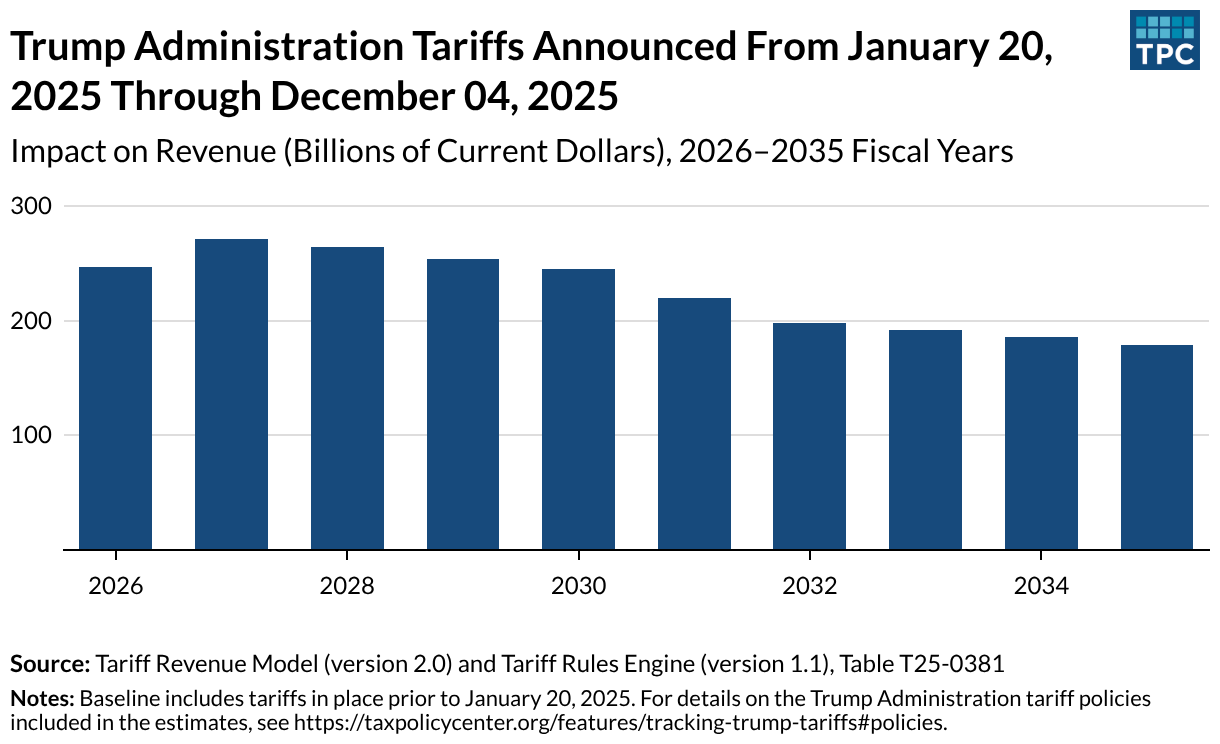
A macroeconomy simulated with two types of software agents: households that decide whom to buy from and work for, and firms that decide headcount, wages, and prices. This is a Lengnick model, which shows that even without exogenous shocks, recessions can just emerge from economic agents temporarily failing to coordinate with each other.
More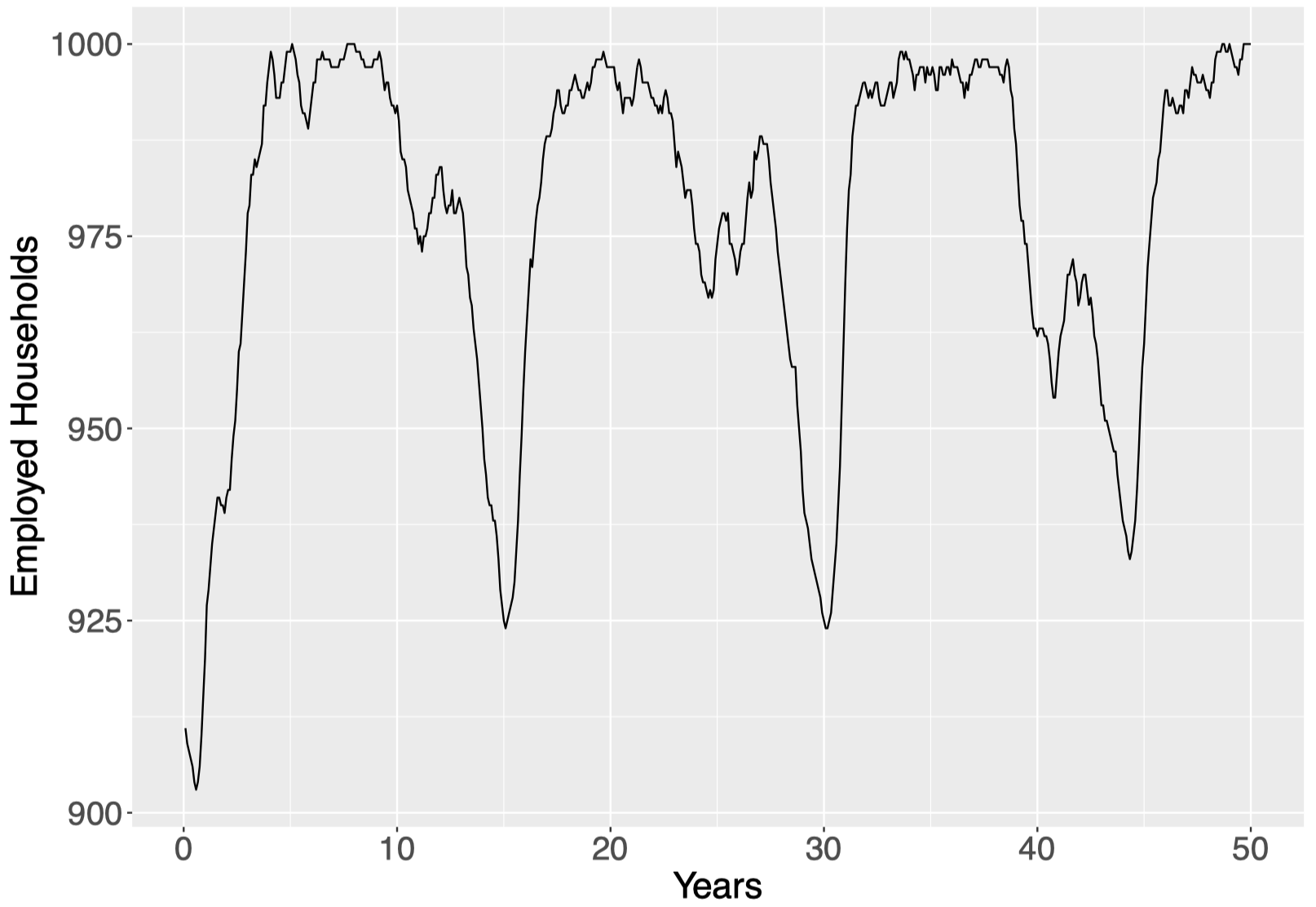
An agent-based model of a general bilateral exchange problem of any A agents and any N goods. This model uses boundedly rational agents, in the sense that the agents iteratively make trades without knowing the optimal quantities that maximize their utility. It can obtain a decentralized, numerical solution to a general equilibrium problem.
More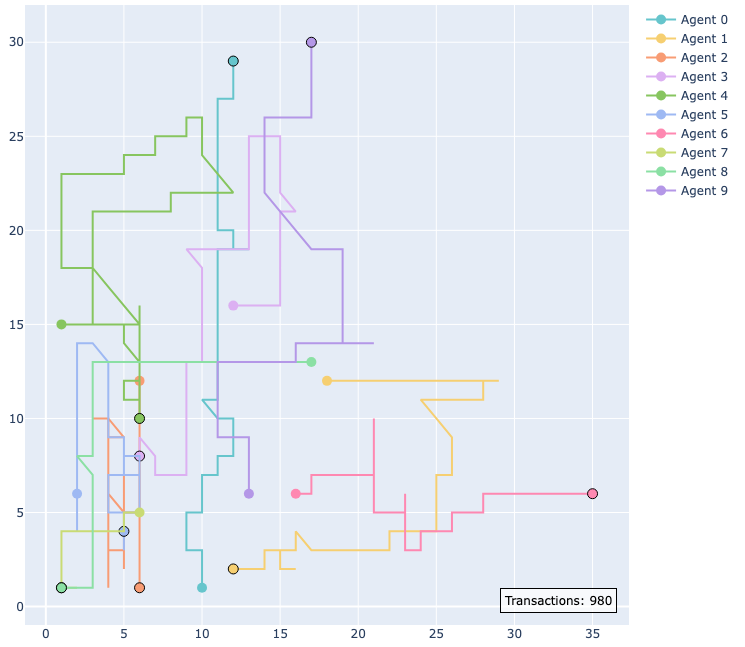
TPC's latest analysis on tariffs visualized.
More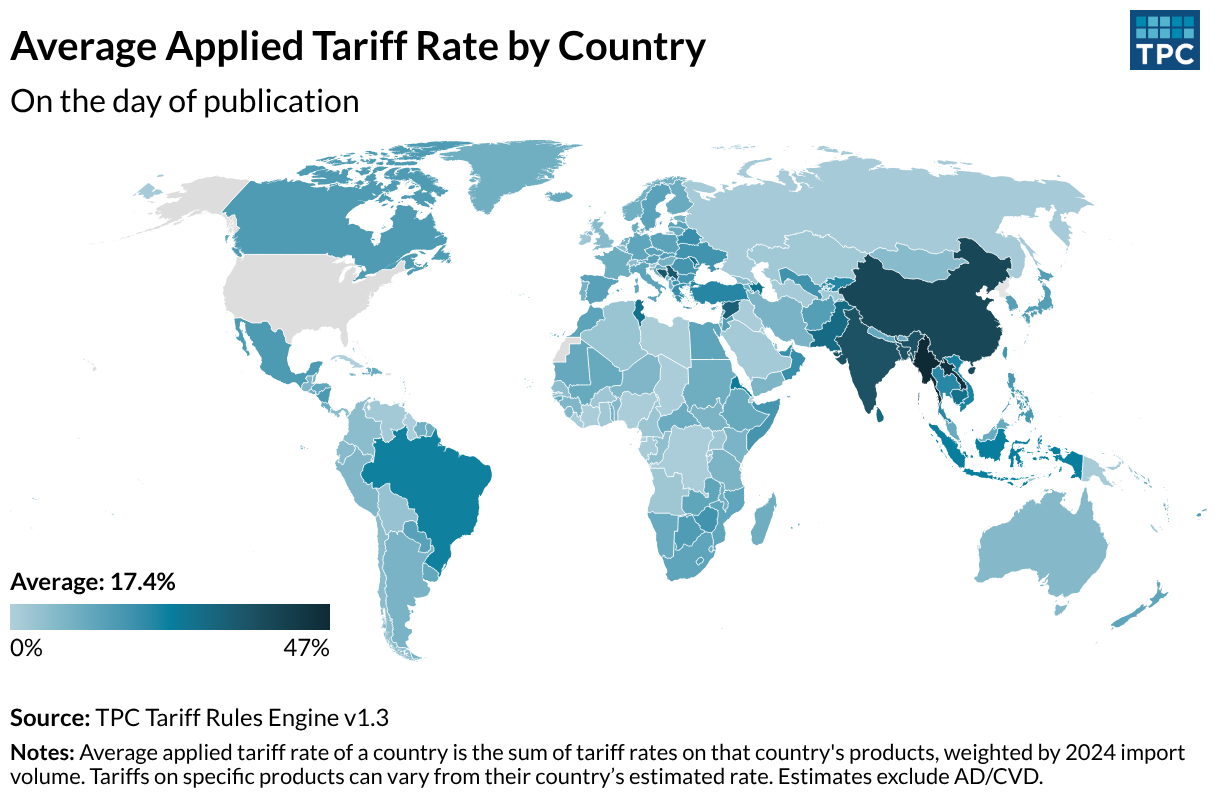
I decode key features of Section 232 tariffs on metals and pharmaceuticals.
MoreI explain how TPC applies input-output analysis for tariffs.
MoreI introduce TPC's Tariff Rules Engine and its capabilities.
MoreUsing TPC's tariff supply chain model, we calculated that tariffs will add roughly $30 billion to the costs of investment in residential structures.
MoreWITH: Elena Patel, Robert McClelland
We show how tariffs affect the cost of various goods.
More
WITH: Thomas Brosy, Robert McClelland
We use the tariff rules engine to analyze the marginal impact of IEEPA tariffs and simulate new tariffs.
More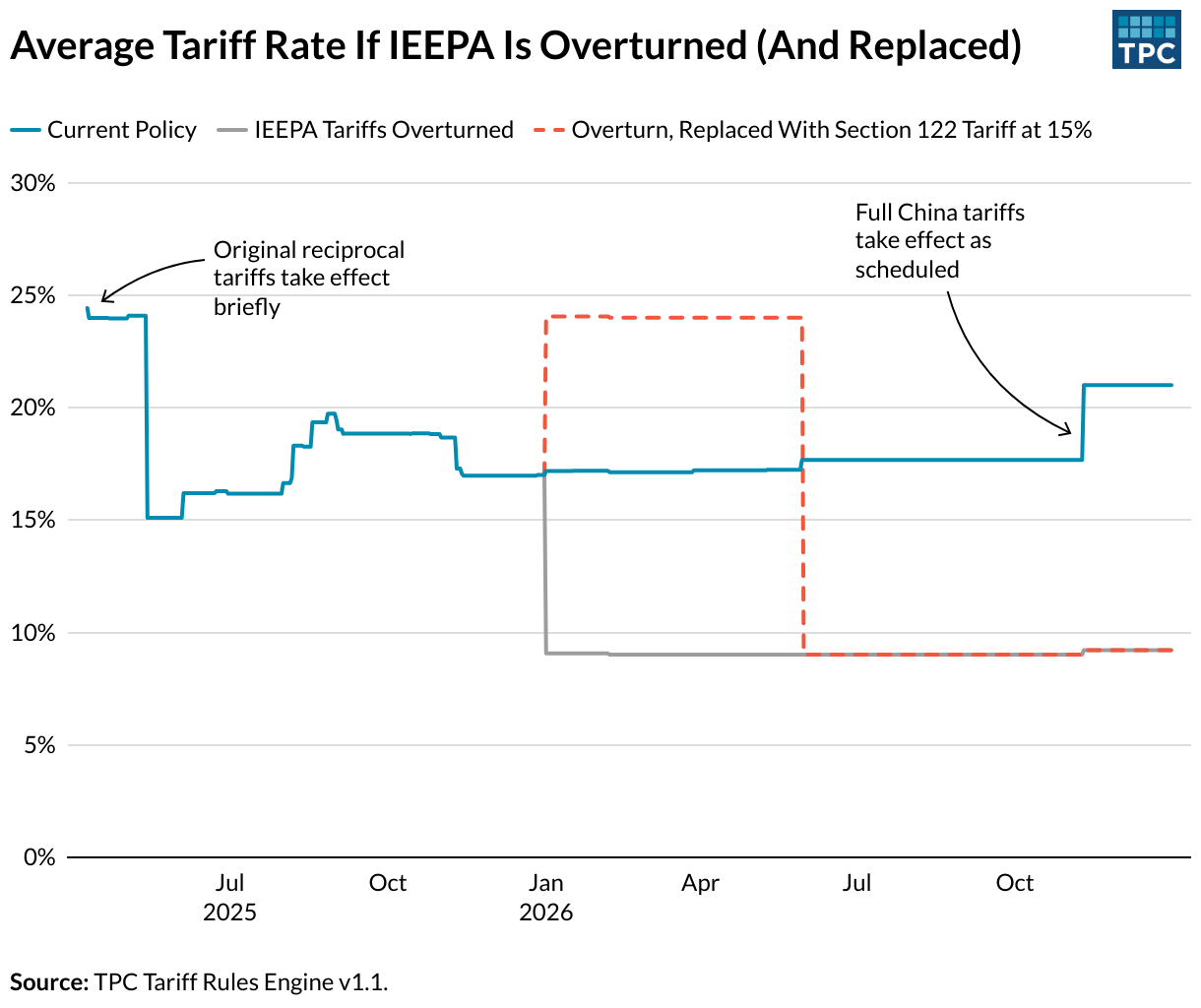
WITH: Robert McClelland
The law ignores a family's first $2500 of earnings when calculating their Child Tax Credit, leaving those with low annual income (like part-time workers) with an unusually small credit. We analyzed a bill to remove this quirk.
MoreWITH: Elaine Maag
The distribution of tariff burden, generated with our latest tariff rules engine and input-output model.
More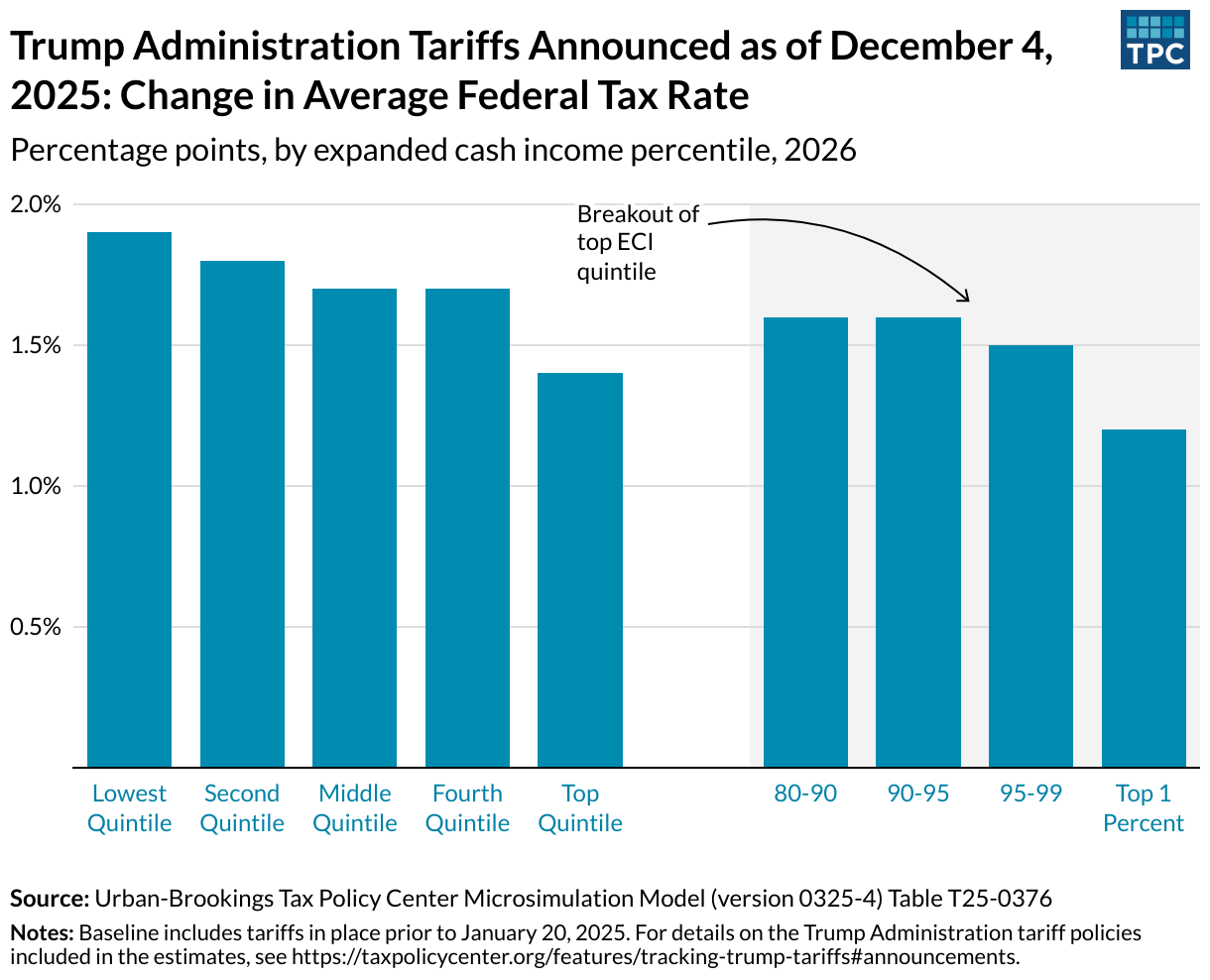
The United States Trade Representative is currently conducting Section 301 investigations into the trade practices of more than a dozen trading partners, a process that can result in new tariffs.
MoreWITH: Robert McClelland, Aparna Mathur
We explore the difficulties of levying import duties on intellectual property.
MoreTariffs are typically levied on countries. But consumers buy goods by category, not by country of origin. In my first piece for Urban-Brookings Tax Policy Center, we use our revamped tariff model to translate the effects of country-based tariffs on major consumer goods.
More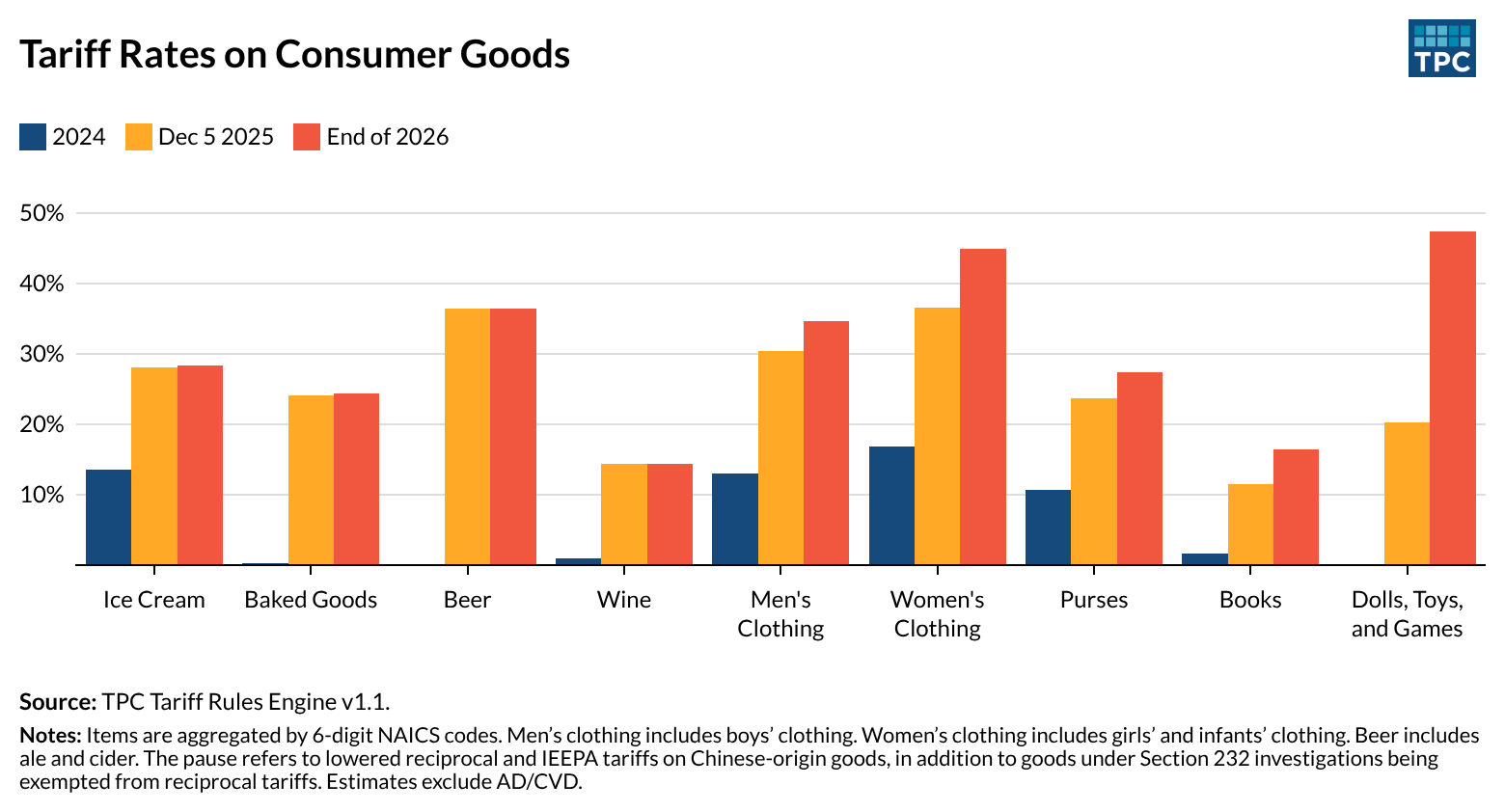
WITH: Robert McClelland
Nearly 40 percent of U.S. government debt today was issued just to cover interest on previous debt, and this problem is poised to worsen as recent borrowing accrues interest and Congress further cuts revenue.
More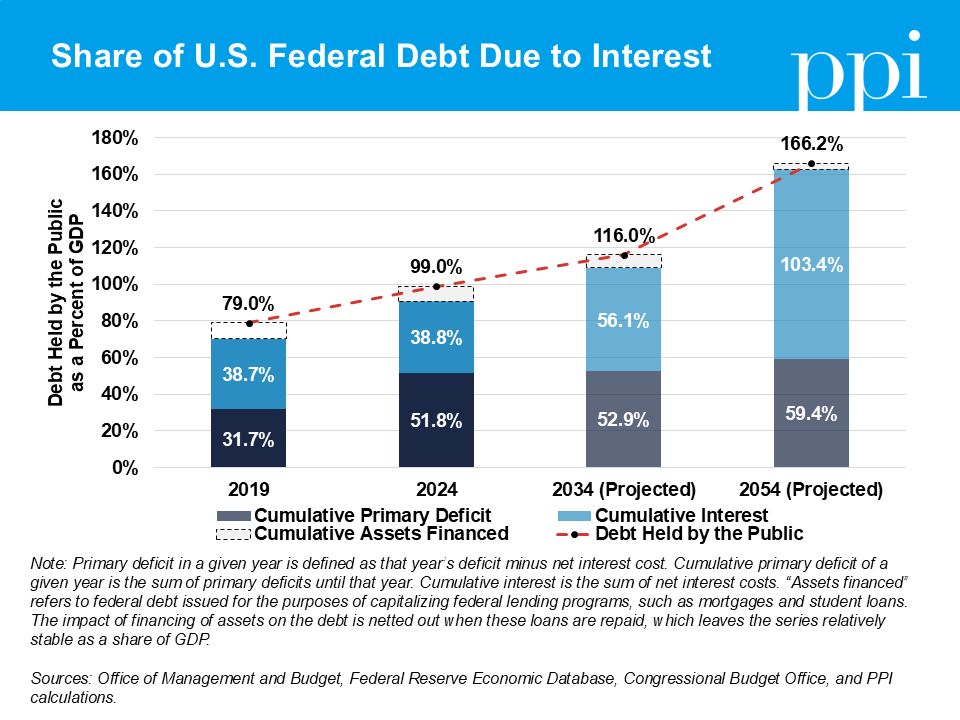
This report incorporates tariffs’ impact into the standard framework for estimating the cost of capital and the marginal effective tax rate (METR) on new investment in the US. Before the February 2026 Supreme Court ruling in Learning Resources v. Trump, Trump’s tariffs increased the economy-wide cost of capital by as much as 2.7 percent and the METR on new investment by 4.2 percentage points. While the METR varies across assets, legal forms of organization, and industries, this increase in the economy-wide METR on investment is enough to offset the aggregate reduction in the METR that the One Big Beautiful Bill Act provided.
MoreWITH: Kyle Pomerleau, Thomas Brosy, Robert McClelland
Since the US Supreme Court ruled that the International Emergency Economic Powers Act (IEEPA) did not grant the president tariff authority, the federal government has repaid about $21 billion (as of May 31) to the businesses that paid those levies. But economists generally view tariffs as burdening all US residents, not just importers, through increases in prices and reductions in income. We examine four options for one-time tariff credits that would offset at least some of the IEEPA burden.
More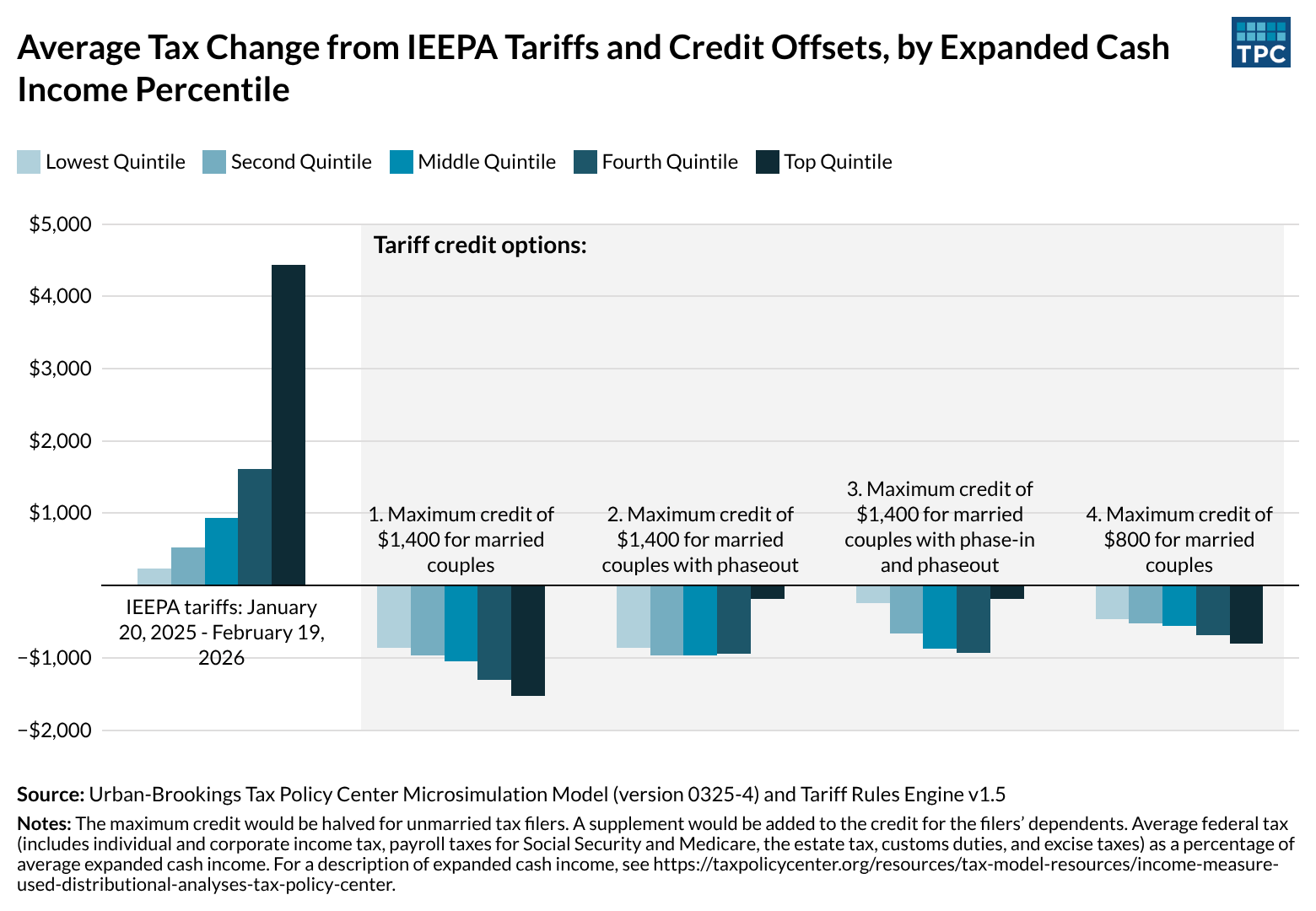
Many instrumental variable papers that identify treatment variations over long time periods are misspecified. I use difference equations, VAR representations, and Monte Carlo simulations to demonstrate this. I also propose a remedial two-stage-least-squares specification to correct for bias.
More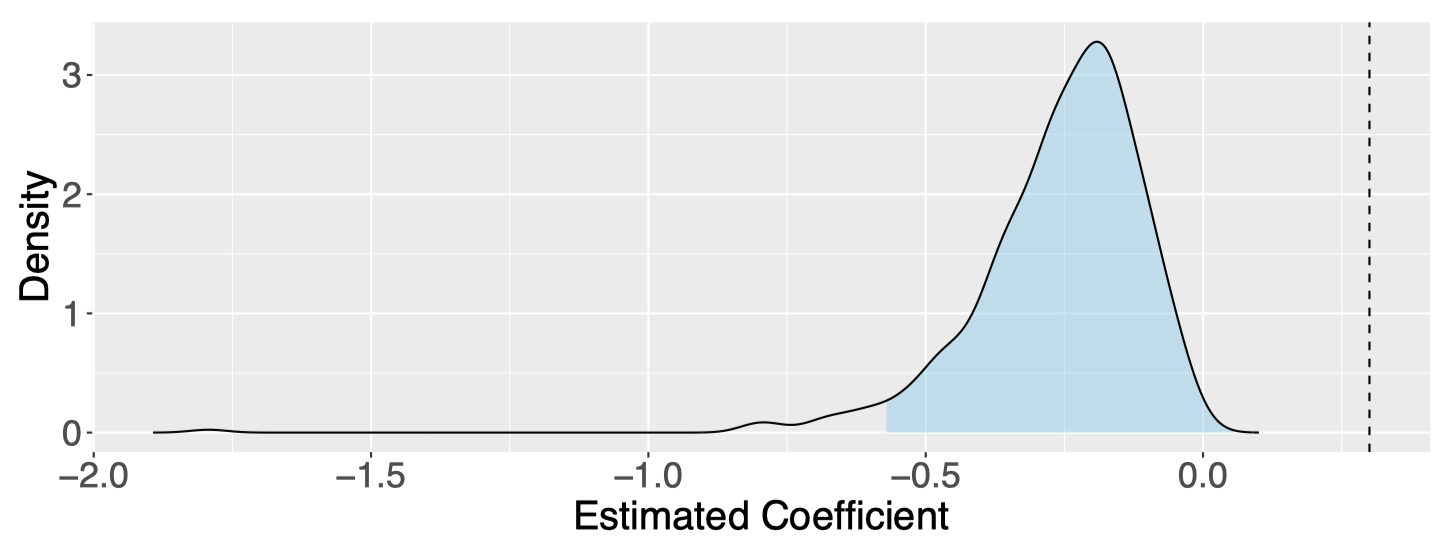
A paper on using state age to estimate how increasing regulation causally affects growth. This project leverages the QuantGov project's State RegData.
More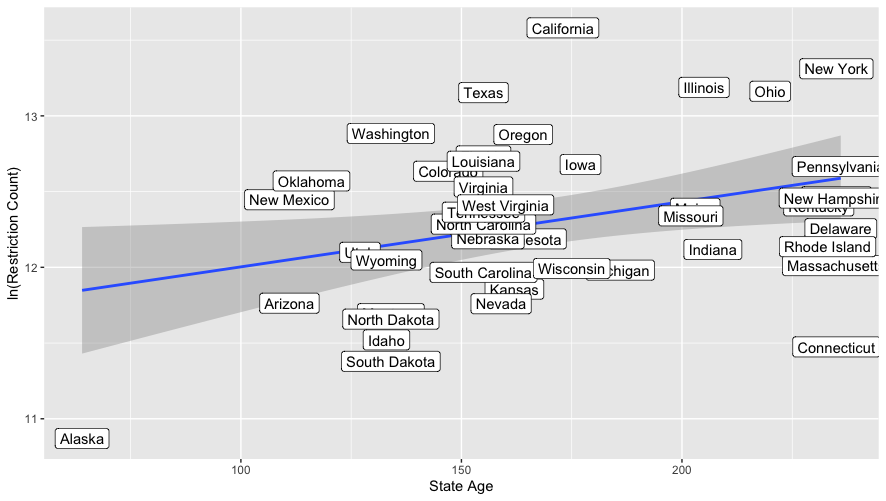
WITH: Patrick McLaughlin
To what extent does iMessage confer a monopolistic advantage to Apple? I estimate how much the service changes the demand elasticity for iPhones.